

Struggling to get a decent night’s kip? You’re not alone. Nearly a third of Brits report having trouble sleeping regularly, and it’s taking a toll on our health, mood, and daily performance. The good news is that improving your sleep quality doesn’t require drastic measures or expensive treatments. With a few simple, natural adjustments to your routine, you can transform your nights and wake up feeling genuinely refreshed.
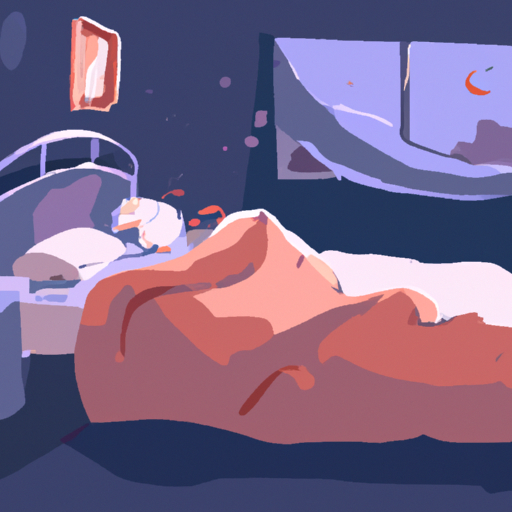
Why Sleep Quality Matters More Than Quantity
We’ve all heard the advice about getting eight hours of sleep, but what many people don’t realise is that how well you sleep matters just as much as how long. Quality sleep means cycling properly through all sleep stages—light sleep, deep sleep, and REM—without frequent interruptions. When you achieve this, even seven hours can leave you feeling more energised than nine hours of restless tossing and turning.
Poor sleep quality doesn’t just make you grumpy. Research shows it weakens your immune system, increases stress hormones, and can even contribute to weight gain. Over time, chronic sleep problems are linked to serious health conditions like heart disease and diabetes. That’s why it’s worth taking the time to sort out your sleep habits now.
Create a Proper Sleep Environment
Your bedroom should be a sanctuary for sleep, not a multipurpose space. Start with the basics: keep it cool (around 16-18°C is ideal), dark, and quiet. Blackout curtains are brilliant for blocking out streetlights and early morning sun, especially during summer months when it stays light until nearly 10 PM.
Consider the quality of your mattress and pillows as well. If you’re waking up with aches and pains, it might be time for an upgrade. Your bed should support your body properly and feel comfortable—not too firm, not too soft.
Remove screens from the bedroom if possible. The blue light from phones, tablets, and TVs suppresses melatonin production, making it harder to drift off naturally. If you must keep your phone nearby as an alarm, place it face-down and across the room.
Establish a Consistent Sleep Schedule
Our bodies love routine. Going to bed and waking up at roughly the same time every day—yes, even on weekends—helps regulate your circadian rhythm. This internal body clock controls when you feel alert and when you feel sleepy.
It might be tempting to have a lie-in on Sunday morning, but drastically different sleep patterns between weekdays and weekends can leave you feeling jet-lagged. Try to keep the variation within an hour or so. Your body will thank you for the consistency.
Wind Down Properly Before Bed
You can’t expect to go from full-speed activity to deep sleep in minutes. Create a relaxing pre-bed routine that signals to your brain it’s time to switch off. This might include:
- Reading a book (a physical one, not on a screen)
- Taking a warm bath or shower
- Gentle stretching or yoga
- Listening to calming music or a meditation podcast
- Writing in a journal to clear your mind of worrying thoughts
Start this routine about an hour before you want to be asleep. It helps create a buffer zone between the day’s stresses and restful sleep.
Watch What You Consume
What you eat and drink has a massive impact on sleep quality. Avoid caffeine after mid-afternoon—it stays in your system longer than you’d think. That post-dinner espresso might be keeping you awake hours later.
Alcohol is tricky. Whilst it might help you nod off initially, it disrupts your sleep cycles later in the night, preventing you from reaching the deep, restorative stages. You’ll likely wake up feeling groggy rather than refreshed.
Heavy meals close to bedtime can cause discomfort and indigestion. If you’re peckish in the evening, opt for light snacks like a banana or a handful of almonds—foods that actually contain natural compounds that support sleep.
Get Moving During the Day
Regular physical activity is one of the most effective natural sleep aids. Even a brisk 30-minute walk can significantly improve your sleep quality. Just try to finish vigorous exercise at least three hours before bed, as it can be too stimulating if done too late.
Morning or afternoon workouts are ideal. They help you expend energy, reduce stress, and regulate your body’s internal clock. Plus, getting some natural daylight exposure during your workout reinforces healthy sleep-wake cycles.
Manage Stress and Racing Thoughts
Lying awake with your mind spinning is exhausting. If anxiety or worry is keeping you up, try the “brain dump” technique before bed: spend ten minutes writing down everything on your mind, then close the notebook and leave those thoughts for tomorrow.
Breathing exercises can also work wonders. Try the 4-7-8 technique: breathe in for four counts, hold for seven, exhale for eight. This activates your body’s relaxation response and can help quiet a busy mind.
Consider Natural Sleep Support
Sometimes, despite our best efforts with lifestyle changes, we need a bit of extra help. That’s where gentle, natural sleep aids come in. Melatonin sleep patches for adults offer a convenient way to support your body’s natural sleep hormone production without pills or complicated routines. Simply apply before bed, and let the patch work whilst you sleep.
For families with children who struggle to settle at night, sleep aids designed specifically for children can make bedtime less of a battle and help little ones develop healthier sleep patterns from an early age.
The Bottom Line
Improving your sleep quality naturally is absolutely achievable with consistent effort and the right approach. Start by choosing one or two changes from this list and stick with them for at least a fortnight. You’ll likely notice improvements fairly quickly, which will motivate you to maintain these healthy habits.
Remember, better sleep isn’t a luxury—it’s essential for your physical health, mental wellbeing, and quality of life. At Dozywave, we’re passionate about helping people achieve the restful, rejuvenating sleep they deserve. Whether through natural lifestyle adjustments or our carefully crafted sleep support products, we’re committed to bringing you better nights and brighter mornings.
Sweet dreams!